Quick answer (TL;DR): PRP (Platelet-Rich Plasma) therapy uses your own blood, centrifuged to concentrate the growth-factor-rich plasma fraction, then injected into the skin or scalp. Because it’s autologous, allergy risk is essentially zero. PRP is clinically supported for skin rejuvenation and early-to-mid-stage androgenetic hair loss. Standard course: 4–6 sessions, 4 weeks apart.
Who this guide is for
If you’re weighing your first PRP session, noticing early hair loss, researching post-acne scar treatment, or trying to understand the difference between PRP and mesotherapy — this is for you. The content is informed by clinical evidence, T.C. Sağlık Bakanlığı regulations, and 30+ years of clinical practice.
1. What is PRP? — Definition and mechanism
PRP is plasma derived from the patient’s own blood, containing 3–5× the normal platelet concentration. The process:
- 8–20 mL of venous blood drawn
- Centrifuged in sterile tubes (typically 8–15 min, 1,500–3,500 rpm)
- Erythrocytes (red cells) and plasma separate
- The platelet-rich middle layer (buffy coat) is collected
- Injected into the target site
Why platelets matter
Platelets aren’t just for clotting; they carry the key signaling molecules of tissue healing. When activated, they release growth factors including:
- PDGF (Platelet-Derived Growth Factor) — fibroblast and vascular cell proliferation
- TGF-β (Transforming Growth Factor) — collagen synthesis
- VEGF (Vascular Endothelial Growth Factor) — new vessel formation (angiogenesis)
- EGF (Epidermal Growth Factor) — epithelial healing
- IGF-1 (Insulin-like Growth Factor) — cell proliferation and differentiation
- FGF (Fibroblast Growth Factor) — fibroblast activation
These signals stimulate collagen synthesis, tissue renewal, and improved microcirculation at the target site.
PRP is not "stem cell therapy"
PRP is frequently confused with stem cell therapy. PRP is concentrated platelets and plasma proteins; it does not contain stem cells. Its effect is mediated by growth-factor signaling. Stem cell therapy is a separate field and, in Türkiye, is only practiced under approved clinical trial protocols.
2. PRP types — they’re not all the same
Different PRP preparations exist; the choice depends on the indication.
P-PRP (Pure PRP)
Leukocyte-poor. Preferred for skin rejuvenation — lower inflammation = less discomfort.
L-PRP (Leukocyte-rich PRP)
Includes leukocytes. Preferred for hair loss — adds antimicrobial effect + stronger inflammatory signal.
PRGF (Plasma Rich in Growth Factors)
A controlled-activation protocol; used in skin rejuvenation and joint applications.
CGF (Concentrated Growth Factor)
Denser fibrin matrix variant. Used in orthopedics and wound healing; aesthetic data still less robust than P-PRP / L-PRP.
A-PRF (Advanced Platelet Rich Fibrin)
A solid fibrin matrix giving slower, sustained growth-factor release.
In our clinic: P-PRP or PRGF for skin; L-PRP for hair. Tube and centrifuge protocol is confirmed at consultation.
3. When is PRP used?
Aesthetic dermatology
- Skin rejuvenation — face, neck, décolleté, hands
- Fine-line treatment — especially undereye, perioral, chin
- Skin brightness + hydration — dull skin
- Post-acne pigment + scar treatment
- Stretch mark (stria) management
- Undereye darkness — combined with Sunekos / mesotherapy
Hair treatment
- Androgenetic alopecia (M/F pattern) — early-to-mid stage (Norwood I-IV; Ludwig I-II)
- Telogen effluvium — postpartum, stress, post-illness
- Pre- and post-hair-transplant — improves graft survival and coverage
- Beard thinning — increasingly common indication
Other fields
- Wound healing — chronic leg ulcers, diabetic wounds
- Orthopedics — knee osteoarthritis, tendinopathy (Achilles, lateral epicondylitis)
- Sports medicine
- Dentistry — implant + graft procedures (PRF form)
4. Skin PRP — in depth
Candidates
- 25+ years, early aging
- Dull, tired skin
- Post-acne scarring or pigment
- Skin texture issues, large pores
- Combination plans with mesotherapy / filler
Contraindications
- Bleeding disorders (thrombocytopenia, hemophilia)
- Anticoagulant therapy (relative — disclose if you can’t stop)
- Active cancer treatment
- Active infection (especially at injection site)
- Autoimmune flare
- Low platelet count (<150,000/μL)
- Pregnancy and breastfeeding
Typical skin PRP protocol
| Step | Description |
|---|---|
| 1 | Antiseptic cleanse + topical anesthetic (30 min) |
| 2 | 8–16 mL venous blood draw (anticoagulant tube) |
| 3 | Centrifuge (8–15 min) |
| 4 | PRP fraction drawn into syringe |
| 5 | Microinjection (papule technique) or dermapen application |
| 6 | Cooling mask, SPF 50+ |
Course planning
- Loading phase: 4 sessions, monthly
- Maintenance: 1 session every 6–12 months
Onset
- 2 weeks: first brightness + texture change
- 4–6 weeks: meaningful tissue change
- 3 months: peak collagen response
PRP + dermapen / laser combination
PRP alone is effective. PRP with dermapen or fractional laser, however, gives clinically demonstrated stronger collagen response. Our standard protocol: dermapen first, then PRP topically + intradermally in the same session.
5. Hair PRP — in depth
Effectiveness by hair-loss type
| Loss type | PRP effect | Notes |
|---|---|---|
| Early-to-mid androgenetic (Norwood I-IV / Ludwig I-II) | High | DHT-driven thinning; PRP supports follicle viability |
| Telogen effluvium | Very high | Postpartum, stress, post-illness |
| Postpartum | Very high | 3–12-month ideal intervention window |
| Alopecia areata (patchy) | Moderate | Often combined with corticosteroid |
| Advanced (Norwood VI–VII / Ludwig III) | Low | Transplant required; PRP supports |
| Trichotillomania | None | Behavioral therapy |
| Drug-induced loss | Low–moderate | Medication change is primary |
Typical hair PRP course
Phase 1 — Loading (3 months):
- 4 sessions, monthly
Phase 2 — Maintenance (1 year):
- 1 session every 3 months
Phase 3 — Long-term:
- 1 session every 6 months
Hair PRP combinations
- PRP + topical minoxidil — best-evidenced standard combo
- PRP + finasteride (men) — adds systemic DHT inhibition
- PRP + hair mesotherapy — growth factors + vitamins + peptides
- PRP + dermaroller — combined collagen + follicle stimulation
- PRP + exosomes — emerging synergy
- PRP + LED light therapy — photobiomodulation support
Result expectations
- 8 weeks: ongoing shedding slows
- 12–16 weeks: more hair in anagen phase
- 6 months: measurable density gain
- 9–12 months: durable aesthetic improvement
Important: PRP does not regrow closed follicles. Its target is viable but miniaturized follicles, pulling them back into anagen. Advanced loss needs transplantation.
6. Preparation and post-session care
7 days before
- Stop aspirin, ibuprofen, naproxen if medically possible (platelet function)
- Stop high-dose vitamin E supplements
- Stop smoking 48 h before if possible
- Avoid heavy alcohol
- Hydrate well (easier blood draw)
Day of
- Eat breakfast (don’t come fasting — vasovagal risk)
- Bring SPF 50+
- Clean face/scalp (no makeup/wax)
24 hours after
- Don’t touch the area
- No makeup (skin PRP)
- Delay hair wash 4 hours (hair PRP)
- No intense exercise, hot shower, sauna
- Plenty of water
48–72 hours after
- Continue aspirin/ibuprofen pause for 48 h
- No tanning, pool, sea
- No hair dye (hair PRP)
7. Side effects and complications
Expected (transient)
- Mild redness 4–24 h
- Microneedle marks (papules) 12–48 h
- Mild swelling, especially periocular 24–72 h
- Scalp tenderness (hair PRP) 24–48 h
Less common
- Visible bruising (especially with aspirin/anticoagulants)
- Transient headache
- Vasovagal response (faint) — managed by supine position + IV fluids
Rare
- Infection (sterile-technique failure)
- Low effect from poor activation
- Transient skin firmness
Very rare
- Granuloma (with off-label products or wrong tubes)
- Tissue necrosis (vascular compression — wrong technique)
As an autologous treatment, allergy and systemic reaction risk is essentially zero. Risk profile is low; patient satisfaction is high.
8. PRP vs alternatives
PRP vs mesotherapy
| PRP | Mesotherapy | |
|---|---|---|
| Source | Patient’s own blood (autologous) | Synthetic cocktail |
| Active substance | Growth factors | Vitamins, minerals, HA, peptides |
| Allergy risk | None | Low (especially B1) |
| Sessions | 4–6 | 4–6 |
| Effect | Tissue renewal, biological repair | Hydration, nourishment |
| Cost | Mid–high | Mid |
Ideal combination: Same-session or alternating sessions of PRP + mesotherapy.
PRP vs exosomes
Exosomes — intercellular signaling vesicles — are the most-discussed new modality of the last 2 years. They deliver more controlled, standardized signaling, but clinical evidence is still less robust than PRP’s. Because PRP is autologous and cost-effective, it remains the standard. We combine both case by case.
PRP vs filler
Filler adds volume; PRP improves tissue quality. They’re complementary.
PRP vs hair transplant
Transplant is the permanent surgical fix; PRP supports viable follicles. In early-to-mid stages PRP suffices; in advanced loss the ideal sequence is transplant + post-op PRP maintenance.
PRP vs minoxidil
Minoxidil is daily topical, requires daily discipline, reverses on stop. PRP is session-based, requires less daily compliance, and the two strengthen each other when combined.
9. Clinical cases
Case 1 — Early aging, female, 32. Dull, tired skin. 4 sessions P-PRP + dermapen, monthly. Result: clear brightness by session 2; AI-measured skin-age 32 → 28 by session 4.
Case 2 — Postpartum hair loss, female, 31. Heavy shedding starting 4 months postpartum. 4 sessions L-PRP hair + oral iron + biotin. Result: shedding stopped at week 8; density gain at month 6.
Case 3 — Male early androgenetic loss, 28. Norwood II–III. 4 sessions L-PRP + topical minoxidil + oral finasteride. Result: stabilized at Norwood II in 6 months; ~22% density improvement on clinical measurement.
Case 4 — Post-acne scarring, female, 25. 6 sessions PRP + dermapen, 4 weeks apart. Result: rolling-type scars improved 50%+; pore appearance clearly reduced.
Case 5 — Hair-transplant support, male, 41. PRP at week 1 post-transplant. Result: better graft survival, faster crust resolution, earlier anagen transition.
10. Pricing — Türkiye 2026
| Procedure | Range (₺) |
|---|---|
| Skin PRP (face, 1 session) | 4,500 – 7,500 |
| Skin PRP (face + neck + décolleté) | 6,500 – 10,500 |
| Hair PRP (1 session) | 4,500 – 7,500 |
| Hair PRP (4-session package) | 16,000 – 26,000 |
| PRP + dermapen combination | 7,500 – 12,000 |
| PRP + hair-transplant support (per session) | 5,000 – 8,000 |
Drivers: centrifuge system, tube brand, clinical experience, and combination protocols.
11. Red flags when choosing a clinic
- Doesn’t use CE/FDA-approved tubes
- Won’t show you the centrifuge / tubes
- Skips sterile technique (gloves, mask, antiseptic)
- No activation protocol
- "Hair will fully return in 1 session" — clinically impossible
- Non-physician administering (in Türkiye PRP must be physician-administered)
- No informed consent, no photo records
12. Frequently Asked Questions (FAQ)
Is PRP painful? After topical anesthetic most patients describe pressure. Hair PRP feels like mild burning; skin PRP is at needle-prick level.
How many sessions? Skin: 4 monthly. Hair: 4–6 monthly. Then maintenance.
How much blood is drawn? Typically 8–20 mL.
When are results visible? Skin: 2–4 weeks. Hair: shedding decrease 8 weeks, density gain 3–6 months.
During pregnancy? No.
On aspirin? With cardiology approval, hold 5–7 days. If not, bruising risk is higher; tell your physician.
Does smoking affect PRP? Yes. Smoking impairs microcirculation, reducing PRP efficacy. Stop at least 48 hours before.
Is PRP useful for a transplant patient? Yes. Both before (follicle prep) and after (graft survival + faster healing).
Hair dye and PRP? No dye for 48 h after. Schedule dye 5–7 days before PRP.
Makeup after skin PRP? 24 hours none. SPF 50+ and avoid direct sun.
I have a bleeding disorder — can I? Not absolute — requires hematology clearance for thrombocytopenia / hemophilia.
Does PRP cause cancer? No. Autologous treatment with no oncogenic mechanism. But PRP is postponed during active cancer treatment.
If I’m unhappy? PRP isn’t reversible; the product resorbs and the effect wanes. Dissatisfaction is rarely product-related — typically indication or expectation issues.
Is annual maintenance needed? Skin: 1 session every 6–12 months. Hair: 1 every 3–6 months. Without maintenance gains slowly fade.
Male patients? Yes — skin and hair PRP both popular in male patients.
Under 18? No cosmetic indication. Medical indications (e.g., sports injury) — parental consent required.
MRI / CT? Unaffected. PRP is the patient’s own plasma; standard imaging is fine.
Wait after vaccines? 2 weeks general; 2–4 weeks after mRNA vaccines.
13. Our clinical protocol
Our clinic is in Atatürk Mahallesi, Ataşehir, Istanbul.
- Free AI facial analysis — baseline reference imaging
- CE/FDA-approved tubes (Regen Lab, Mesopharm, Endoret or equivalent)
- Single-use needles + syringes
- Sterile field, sterilized devices
- Calibrated centrifuge — protocol-specific rpm and time
- Free assessment + AI comparison at end of session 6
14. Glossary
- PRP (Platelet-Rich Plasma) — concentrated platelet plasma
- P-PRP / L-PRP — pure / leukocyte-rich forms
- PRF / A-PRF — Platelet Rich Fibrin / Advanced Platelet Rich Fibrin
- Autologous — derived from the patient’s own body
- Growth factor — protein that stimulates cell proliferation / differentiation
- Anagen phase — active hair-growth phase
- Telogen — hair resting phase
- Norwood / Ludwig scales — male / female androgenetic hair loss staging
15. 2026 trends
- PRP + exosomes — emerging next-generation combinations
- High-concentration PRP (>5× baseline) — stronger signaling
- PRP + warming protocols — accelerated growth-factor release
- Sex-specific PRP protocols — different approach for female hair loss
- AI facial analysis integration — standardized baseline + follow-up
- Mobile PRP clinic services — growing in Türkiye
16. Conclusion
PRP, in the right patient + right protocol + experienced physician triangle, is one of the safest and most evidence-supported treatments in skin and hair therapy. Its autologous nature eliminates allergy risk; the gradual accumulation of effect delivers durable tissue quality improvement. It’s not a one-session miracle — disciplined protocol + annual maintenance is where the real value lies.
17. References
- Marx RE. Platelet-rich plasma (PRP): what is PRP and what is not PRP? Implant Dent.
- Gentile P et al. The effect of platelet-rich plasma in hair regrowth: a randomized placebo-controlled trial. Stem Cells Transl Med.
- Alves R, Grimalt R. A review of platelet-rich plasma. Skin Appendage Disord.
- Sclafani AP. Platelet-rich fibrin matrix for improvement of deep nasolabial folds. J Cosmet Dermatol.
- T.C. Sağlık Bakanlığı, PRP Applications Regulation (2024)
- ISAPS Annual Global Survey on Aesthetic Procedures (2024)
- Türk Dermatoloji Derneği — PRP Application Guidelines (2025)
About the author
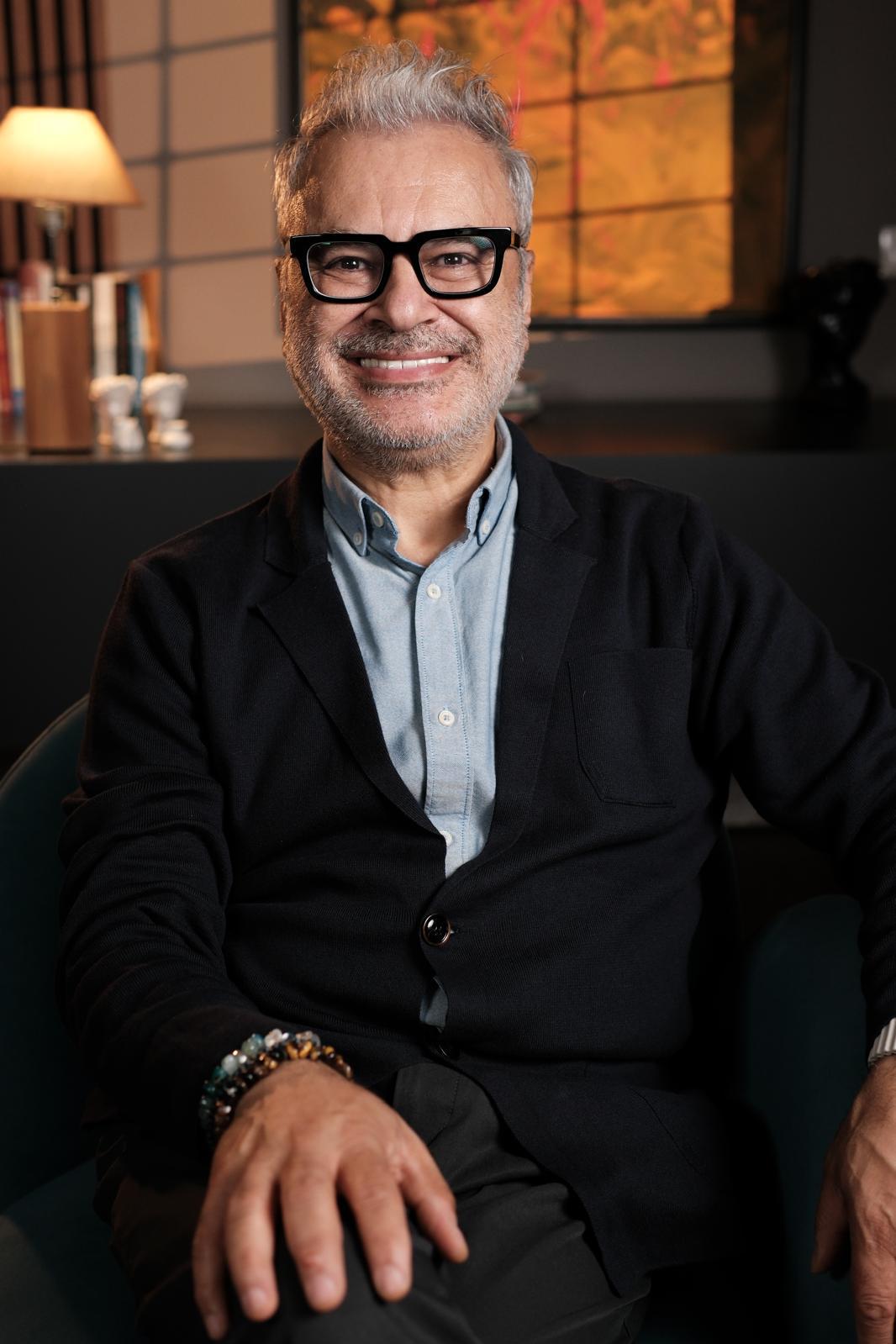
Dr. Murat Toktamısoglu, MD, PhD
- M.D. — Erciyes University Faculty of Medicine
- PhD, Public Health — Gazi University
- T.C. Sağlık Bakanlığı Medical Aesthetics Certification
- 30+ years of practice, 15,000+ procedures performed
Clinic: Atatürk Mah. Turgut Özal Bulv. Gardenya 4-2 No:6-A D:2, Ataşehir, Istanbul 34758 WhatsApp: +90 533 356 2480
Last medical review: May 8, 2026 — Dr. Murat Toktamısoglu. Informational only; not a substitute for medical examination.