How to Choose a Doctor for Botox: What Should You Look For?
Botox is a medical procedure, and its outcome depends largely on the knowledge and experience of the physician performing it. In this guide you will find concrete criteria you can use when choosing a doctor.
From the outside, a Botox (botulinum toxin) treatment may look like a simple injection that takes only a few minutes. In reality, it is a medical procedure that requires knowledge of facial anatomy, careful dose planning and the ability to manage complications. The same product can produce very different results in different hands. That is why, before asking "where should I have it done", it is usually wiser to first answer the question "who should do it".
Important: In Turkey, botulinum toxin may only be administered by physicians, in licensed healthcare facilities. Treatments performed in beauty salons or at home are both against regulations and carry serious health risks.
1. A Medical Degree and Training in Aesthetic Medicine
The first and non-negotiable criterion is that the practitioner is a physician who graduated from a medical school. However, a medical degree alone should not be considered sufficient either; botulinum toxin treatments require separate training and hands-on practice. It is important that the physician has completed certified training in aesthetic medicine and keeps that training up to date through regular congresses and courses.
- A medical school diploma (which should be shown on request)
- A certificate in aesthetic medicine / botulinum toxin administration
- How many years they have been actively working in this field and how frequently they perform the procedure
- Continuing professional development: congresses, courses and following the current literature
Asking to see diplomas and certificates is a patient's right. An experienced physician will not be bothered by these questions; on the contrary, they generally welcome an informed-patient approach.
2. Product Authenticity: FDA/CE-Approved Products
Botulinum toxin is a medication subject to strict regulation worldwide. Internationally, there are botulinum toxin brands approved by the FDA (the US Food and Drug Administration); in Turkey, products must hold a Ministry of Health licence and be obtained through legal channels. The safety and efficacy data of approved preparations, such as Allergan's product, are documented by many years of clinical use.
How Can You Verify Product Authenticity?
- You can ask your physician to show you the box of the product that will be used
- The serial number, expiry date and the Turkish licence label on the box can be checked
- Having the vial opened in front of you is a sign of transparency
- Botulinum toxin must be stored under cold-chain conditions; the clinic should be able to meet these requirements
Warning Signs to Watch Out For
- • The product name is withheld or the question is brushed aside
- • Prices that are unexplainably low compared with market conditions (risk of counterfeit or diluted product)
- • Reluctance to show the box and serial number
- • Pre-filled syringes of unknown origin
3. Sterile Clinic Conditions
A Botox injection breaks the integrity of the skin; hygiene standards therefore directly affect the risk of infection. The procedure should be performed in a licensed practice, polyclinic or medical centre. When assessing the environment, you can look for the following:
- Single-use needles and syringes opened in front of you
- Skin disinfection performed before the procedure
- The physician wearing gloves and paying attention to hand hygiene
- A clean, well-organised treatment room with proper medical waste management
4. The Requirement of a Face-to-Face Examination
A trustworthy Botox treatment always begins with an in-person examination. Making a "plan" over photographs or messages is not sound medical practice. During the examination, the physician is expected to:
- Take a medical history: current medications, allergies, neurological conditions, pregnancy/breastfeeding status
- Assess the facial muscles in motion (raising the eyebrows, frowning, smiling)
- Identify muscle strength and facial asymmetries
- Listen to your expectations and place them within a realistic framework
- Explain possible side effects and obtain written informed consent
If there is an attempt to proceed directly to the procedure without an examination and without answering your questions, this can be considered a warning sign.
5. A Philosophy of Natural Results
The aim of Botox is not to erase facial expressions entirely, but to reduce the muscle activity that causes wrinkles in a balanced way. To understand your physician's treatment philosophy, you can ask about their previous work and discuss whether they aim for a "frozen look or a natural softening". Physicians who plan doses individually and, where appropriate, adopt a titration approach — starting with a lower dose and completing it at the follow-up visit — generally achieve more natural results. It should be remembered that no physician can guarantee a specific outcome; results vary according to muscle structure, skin quality and individual factors.
6. Competence in Managing Complications
When performed with approved products and the correct technique, Botox is a procedure with a well-characterised safety profile; however, as with any medical procedure, unwanted effects can occur. These include temporary bruising, headache and, rarely, drooping of the eyelid or eyebrow. What matters is that your physician can anticipate these situations, explain them honestly, and manage them if they arise.
- Is a communication channel provided so you can reach the clinic after the procedure?
- Is a follow-up appointment scheduled?
- Is the course of action explained for situations such as eyelid drooping?
- Does the physician discuss possible risks openly, without downplaying them?
7 Questions You Can Ask Your Physician
- What is your medical training and your aesthetic medicine certification? You can ask which institution it was obtained from and when.
- Which brand do you use, and may I see the box? Transparency about the approved product and serial number is essential.
- How often do you perform this procedure? Physicians who perform it regularly build up technical fluency and experience.
- Which points on my face are you planning to treat, at what dose, and why? An individualised plan distinguishes a proper treatment from a one-size-fits-all approach.
- What are the possible side effects, and how do I reach you if there is a problem? Find out about the complication management plan.
- Do you schedule a follow-up appointment? A review after 2-3 weeks is generally recommended.
- Do you think the result I expect is realistic? An honest physician should be able to say, where necessary, "this expectation cannot be met with Botox".
7. Experience and Frequency of Practice
In aesthetic medicine, experience is not just the number of years in the profession; how often and how widely that particular procedure is performed also matters. A physician who administers Botox regularly will have seen more variations in muscle structure, more asymmetries and more uncommon responses. This accumulated experience is reflected both in the refinement of the treatment plan and in the management of unexpected situations. You can ask your physician what proportion of their practice Botox represents and which areas they work on most. It is also informative to ask how their approach has evolved over time; physicians who follow their field revise their techniques in light of current knowledge.
8. The Risks of Deciding Based on Price Alone
Botox fees can vary according to the institution, the product used and the scope of the plan; this is natural. However, making the decision solely on price is a risky approach. Offers significantly below market conditions may mean diluted product, a preparation of unknown origin, an unauthorised practitioner or an unsuitable environment. On the other hand, a high fee is not, by itself, a guarantee of quality either. The sound approach is to weigh the fee together with all the criteria listed above, and to clearly understand what you are paying for — the product, the physician's experience, the examination, follow-up care and, if needed, the correction process.
Evaluating Social Media and Reviews
Patient reviews and before-and-after images can be informative, but they should not be the sole basis for a decision. Heavily filtered images, exaggerated promises and "guaranteed results" claims are incompatible with medical ethics. Under healthcare regulations, advertising designed to generate demand is not permitted; promotion that goes beyond informational boundaries also says something about an institution's overall approach. A realistic, measured and informative tone of communication is generally a more reliable indicator.
Conclusion
When choosing a physician for Botox, a medical degree and training in aesthetic medicine, the use of original and approved products, sterile clinic conditions, a face-to-face examination, planning focused on natural results, and competence in complication management should all be assessed together. Taking your time to research, asking questions, and proceeding with a transparent physician with whom you feel comfortable is the soundest path — both for your safety and for the quality of the result.
Important Note
This article has been prepared for general information purposes only; it does not constitute medical advice and is not a substitute for a physician's examination. Your suitability for Botox treatment can only be determined through an in-person medical assessment. Results may vary from person to person.
References
- Prescribing information and patient guides for FDA-approved botulinum toxin products
- American Academy of Dermatology (AAD) patient information pages on botulinum toxin
- Manufacturers' official instructions for use and storage condition documents
- Regulations of the Turkish Ministry of Health concerning private healthcare facilities and medical procedures
- Toktamışoğlu, M., "Modern Botoks" and "Bütünsel Medikal Estetik" books
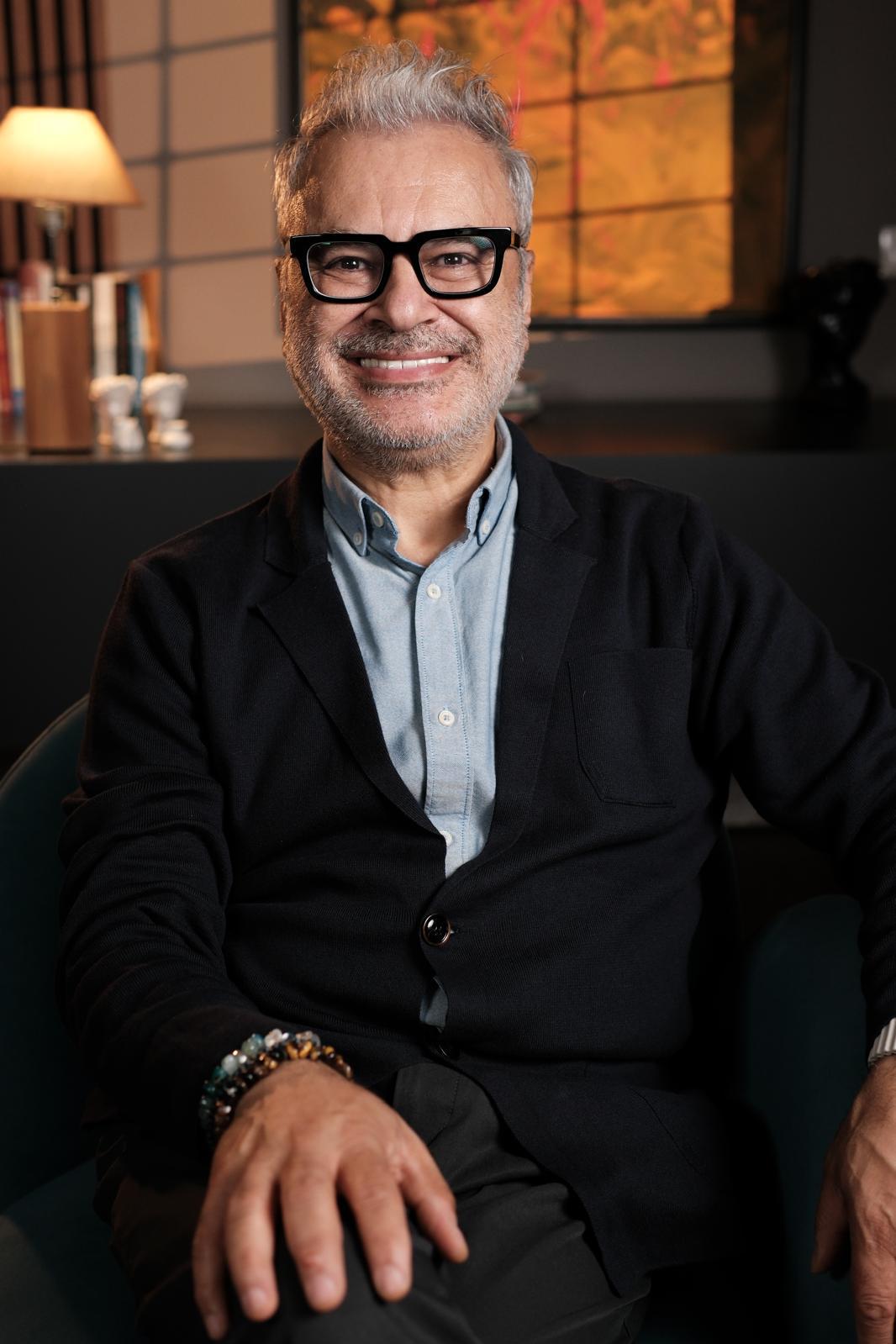
Dr. Murat Toktamışoğlu
A 1995 graduate of Erciyes University Faculty of Medicine, with a doctorate in Public Health from Gazi University. With more than 30 years in medicine and over 20 years in aesthetic medicine, he performs treatments focused on natural results in Ataşehir, Istanbul.
About Me →